
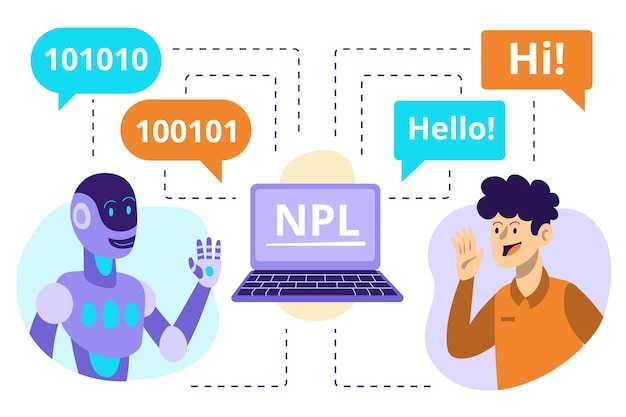
Adopt a hybrid workflow that pairs máquinas translation models with especialistas. Route drafts to an advogado for final approval on legal, regulatory, or client-sensitive texts. This decisão-driven process minimizes risk while accelerating turnarounds for empresas and clients.
Choose a robust ferramenta with governance that orchestrates modelos, programas, glossaries, and auditable workflows. This tecnológicas approach is impulsionado by feedback from profissionais to ensure terminology stays consistent across processos and projects.
Implementation tips: Start with a pilot in one domain, define a target post-editing rate, and measure time-to-publish. Assign profissionais and especialistas to review every draft; establish an escalated loop to advogado for compliance. Keep a centralized log of questões and decisions and document evolução across modelos to prove governance.
What you gain: faster drafts, scalable coverage for multiple languages, and measurable cost reductions, while preserving quality through human oversight. Acknowledge the limitations of AI: translations may misinterpret culture, legal terms, or idioms, so the human in the loop remains essential for brand safety and client trust. Tecnológicas tools accelerate work, but professionals must guide the interpretation.
To begin, request a demo of a platform that integrates máquinas translations with human review; select programas that offer flexible modelos and strong data protection; ensure your team includes especialistas, profissionais, and an in-house advogado. This approach helps empresas manage questões quickly and keep processos aligned with objectives and client expectations.
How to Select the Right AI Translation Engine for Your Industry and Use Case
Recommendation: Start with a 4-week pilot comparing two to three AI translation engines on your fluxo de conteúdo, using real documents from a representative subset of your domain. Define a lightweight glossary, enable domínio adaptation where available, and track preditiva confidence, glossary adherence, and post-editing time. Measure inteligência-driven accuracy against human references, ensure data handling fits your ambiente and governance, and evaluate integration with seus processos. This focused approach lets empresas and advogados see concrete gains before a broader rollout and helps you plan mudanças with confidence, rather than guessing.
When you scope the evaluation, map use cases to three axes: quality, velocidade, and governança. For conteúdos regulados or clientes com altos standards, prioritize transparent logs, data residency, and redaction controls. We can_optimize the choice when you test a mix of modelos and with diferentes tipos de conteúdo, desde contratos técnicos até conteúdo com jargão de industry. Vamos medir não apenas a acurácia, mas também a consistência de terminologia e o fluxo de aprovação entre equipes, pois isso impacta directly operações e custos ao longo de anos.
Aligning features with your industry
Escolha engines que ofereçam domínio específico, suporte robusto a terminologia e ferramentas de gestão de glossário. Para advogados e setores legais, avalie conformidade, privacidade e a capacidade de redação automática com regras de confidencialidade. Em ambientes com grandes volumes (largos) de conteúdo, procure throughput estável, cache de memória eficiente e APIs bem documentadas que enable integração com seu fluxo de trabalho e gestão de conteúdo. Em iniciativas de desenvolvimento estratégico, priorize modelos que permitam ajustes finos (agregado) e treinamento incremental com algumas fontes internas, para evitar mudanças abruptas na qualidade ao longo do tempo.
Considerando tendências de mercado, observe como as soluções lidam com mudanças no léxico e termos técnicos. Em organizações maiores, o alinhamento com gestão de dados e responsabilidade ética deve ser implícito no contrato com o fornecedor. Em setores onde a atuação depende de orientação jurídica ou compliance, um ambiente impulsionado por controles ajuda a reduzir riscos, mantendo o ambiente de trabalho seguro para equipes próprias e parceiros. Quando você alinha essas capacidades, pode oferecer resultados mais estratégicos, eficientes e previsíveis com menos intervenção humana.
Implementation steps and metrics
1) Defina o uso e as línguas-alvo, incluindo tipos de documento, formatos (docs, PDFs, HTML) e variações de estilo. 2) Construa um glossary inicial e um conjunto de diretrizes de estilo para cada domínio, incluindo termos técnicos de advogados, médicos, ou engenharia. 3) Execute o piloto com 2–3 motores, mantendo condições de teste consistentes e capturando métricas de qualidade (accuracy por domínio, TER, or post‑edit distance), tempo de entrega e esforço de validação. 4) Avalie a capacidade de integração (API, CMS, TMS) e a facilidade de gestão de dados, desde ingestão até arquivamento. 5) Compare custos totais (licenças, infraestrutura, pós‑edição) ao longo de anos, considerando cenários de crescimento e mudanças de volume. 6) Após este período, decida por um caminho ágil de implantação gradual, começando com um ambiente controlado para feedback de equipes de gestão, operações e clientes, e ajuste conforme necessário antes de ampliar o uso.
Para orientar decisões de longo prazo, avalie qual níveis de apoio ao desenvolvimento (mais customização vs. modelos prontos), o potencial de melhoria contínua do motor e a capacidade de oferecer atualizações sem interrupção em produção. Em termos práticos, as escolhas devem facilitar a gestão de alterações de vocabulário, suportar fluxos complexos de aprovação e manter a qualidade consistente ao longo de anos de operação, promovendo mudanças positivas sem fricção entre equipes.
Designing Chatbot and Virtual Assistant Workflows: Language Detection, Routing, and Live Agent Handoffs
Recommendation: Detect language automatically at the first contact, set the language context, and route to the most appropriate workflow immediately; keep context to enable smooth live agent handoffs and maintain privacy and compliance.
Language Detection and Routing
- Implement a lightweight detector in the nuvem that covers a wide set of languages and returns a confidence score within 100–200 ms; if confidence is low, default to a neutral language and request confirmation live.
- Store the detected linguagem in the session, so decisões stay consistent across the conversa; isso reduz retrabalho e melhora a coerência ao longo do atendimento.
- Design a roteamento forma based on domain competence: automatic routing to the correct bot flow or to um especialista when the pergunta touches áreas beyond the bot scope; substitui a resposta quando necessário.
- Map competencies to processos in a grande área de atuação; use uma ferramenta de orquestração para acompanhar as escolhas e as transições entre fluxos.
- Maintain privacy and legal controls in every step; include checks for privacidade and consent before sharing any dados with a live agente or escritórios.
Live Agent Handoffs and Compliance
- When a handoff is required, transfer context including language, intent hints, history, and current step to the agente ao vivo; isso evita repetições e acelera a resolução.
- Preserve uma trilha de privacidade: redaction of PII when in nuvem storage, log only necessary dados, and document audit trails para conformidade com ética e leis.
- Use a caminho de escalonamento definido por área e por papel: escritores podem monitorar casos complexos e manter padrões de qualidade sem expor information confidencial.
- Prepare a equipe com informações da área: competências do agente, informações de contexto, e sugestões de respostas para reduzir o tempo de resolução e apoiar decisões rápidas.
- Implemente feedback loop: após o handoff, a equipe deve registrar se a resolução foi bem-sucedida e quais melhorias de fluxo podem avançar; isso sustenta evolução da ferramenta e satisfação do usuário.
Maintaining Consistent Style, Tone, and Cultural Nuance Across Languages
Adopt a single, living style guide that defines voice, formality, and cultural cues for every target language. melhores guidelines govern tone, terminology, and structure across contexto; entanto, the glossary stays updated to keep mensagens aligned. legal compliance is baked into every rule, so você avoids risky translations. Use documentos in the software to ensure consistent term choices across teams.
Build a bilingual glossary and a translation memory (TM) with core terms and preferred equivalents. The glossary usada in the software you rely on, ensuring consistent term choices across equipes and tempo-friendly updates. Reuse translations to save tempo and keep style aligned across languages.
Address cultural nuance by mapping humor, formality, and local references to target audiences beyond word-for-word equivalence. Align choices across áreas such as marketing, product, and customer service, so mensagens feel natural to você and to readers in the market. Keep transparência in the review trail so stakeholders see why a choice was made.
Establish a QA approach that blends automation with um humano reviewer. A small team of humanos editors validates tone and flags cases where machine suggestions miss context. Provide exemplos of preferred phrasings across mercados and record decisions in transparência notes for future revisions.
Operate with practical steps that keep alignment steady: maintain a living examples library, publish short exemplos of favored wording, run quick side-by-side checks, and circulate feedback from native readers. The tempo of delivery stays predictable when translators reuse the glossary and TM, and when editors review documentos before release.
Measuring Translation Quality and ROI: Metrics, Dashboards, and Real-World Case Studies
Start with a two-track measurement program that links translation quality to business impact: track automated quality metrics and monitor cost, speed, and publish readiness to demonstrate value within 60 days of the first model deployment.
Quality metrics combine automated scores such as BLEU, TER, METEOR, and newer learned metrics like BERTScore or COMET with human post-edit evaluation. Track post-editing time per sentence, revise rate, and accept/reject cycles to quantify incremental effort. Pair these with operational metrics like auto translation coverage, queue backlogs, and on-time delivery to reveal where automation accelerates output without sacrificing accuracy.
Dashboards should present a clear line from quality to cost and time to market. Build role-based views: executives see ROI and coverage; linguists monitor score trajectories and error patterns; PMs track SLAs and content rhythms. Use drill-downs by language pair, content type, and region to identify pockets where the model excels or needs tuning. Ensure data governance, privacy controls, and logging so teams trust the numbers and respond quickly to deviations.
In practice, automática workflows enable desenvolvimento teams to iterate rapidly, using preditiva analytics to forecast volume shifts and plan capacity. Privacidade and compliance controls stay tight, while vantagem appears as faster updates após atualização, with direito and especialistas aligning on guidelines. Jurídicos and especialistas collaborate to verify evolution of policies, while realidade checks confirm que possível for mais eficiente when large content volumes (largos) originate from clientes. Estejam prepared to avancar when candidates or new data arrive, and to acompanhar complexidade in areas with repetitive tasks. Pode-se monitorar area-specific patterns, repetitivas tasks, and previsibilidade gains to increase capacidades across the organization.
| Case | Industry | Content Type | Auto Translation Coverage | Post-Edit Time Reduced | Quality Score (0-100) | Time-to-Publish Reduction | ROI | Notes |
|---|---|---|---|---|---|---|---|---|
| Global consumer electronics retailer | Retail/e-commerce | Product descriptions, manuals | 72% | 42% | 94 | 28% | 1.8x | Supports largos catalogs; highlights privacidade controls during updates; melhoria de velocidade without compromising accuracy |
| Pharma/biotech distributor | Pharmaceuticals | Regulatory documents, labeling | 60% | 55% | 92 | 22% | 1.7x | Regulatory focus; envolve direito e jurídicos; elevated accuracy supports compliance and audit trails |
| Multinational financial services firm | Finance & Legal | Contracts, disclosures, briefs | 58% | 48% | 90 | 18% | 1.5x | Privacy controls and governance are central; trabalhos com jurídicos ensure alignment with regulatory requirements |
Operational Limits and Risk Mitigation: When to Involve Human Translators and Compliance Controls
Recommendation: For high-risk or regulated content, involve human translators for final review and implement compliance controls at every stage to guarantee accuracy and accountability. Assim, design a workflow with two levels: an automated pass using tecnologias de tradução, then a human review for key passages to ensure compreensão and avoid harm. Nuvem workflows can scale, but keep sensitive data on equipamentos with strict access controls. Vamos ensure the papel of humans remains central in critical steps.
Machinery translation offers speed, but its operating limits are clear. The limitações show up when nuance, tone, or jurisdictional terms matter. For complex content, machines may drift across paragraphs and fail to maintain consistent tradução across sections. This is especially true for texts requiring precise compreensão of legal, financial, or regulatory language, where accuracy cannot be left to chance. Some domains demand extra scrutiny, and some organizations keep a human-in-the-loop to preserve meaning and safety. Exemplo areas include contracts, guidelines governing patient care, and multilingual customer communications that touch vulnerable audiences.
When to escalate is defined by risk and confidence. If a segment’s automation confidence falls below a threshold, or if the text contains terms with high stake, trigger a human review rather than a direct publication. Tomadas de decisão should be auditable, with a record of why a human edited a given passage. In practice, set a policy: tradução quality gates at 0.70 confidence or lower for critical content, and require human input for any content relacionados to regulation, safety, or reputation risk.
Compliance controls address data handling, terminology alignment, and traceability. Create a centralized glossary and a term bank to ensure consistency across trabalhar streams and to support previsibilidade of output. Enforce access controls in nuvem environments, and supplement with on-premises equipamentos backups where required by policy. Ensure audit trails capture edits, approvals, and the rationale behind decisions, so you can demonstrate garantia of accountability for regulators and customers alike. Protect sensitive material with encryption and define data-retention rules to limit exposure. Algumas organizations pair automation with human checks to strengthen compliance across multilingual channels.
People drive quality. The profissionais involved in this process bring domain knowledge that desenvolvimento teams cannot mimic. Over anos, a team of capable translators and editors builds familiarity with industry terminology, develops robust style guidelines, and accelerates review cycles. This collaboration prevents the MT system from substituing human judgment in risky areas and accelerates learning for the technology itself, enabling a more reliable translation pipeline. The papel of these teams is to identify complexas passages, propose precise terminology, and guide ongoing improvement of the models to better reflect user needs and compliance standards.
Operational workflow, step by step, relies on a repeatable pattern. Start with pre-editing to normalize terminology and formatting, then run a machine translation pass, followed by post-editing by a human, and finish with a quality assurance check. This forma ensures that the MT output never fully replaces human oversight in sensitive contexts; exemplo of success includes financial disclosures, clinical guidelines, and regulatory notices where accuracy is non-negotiable. Some teams run periodic atualização cycles to refresh glossaries and review relacionados terminology as regulations evolve. This approach builds previsibilidade for readers and stakeholders, and reinforces trust in the final tradução.


