
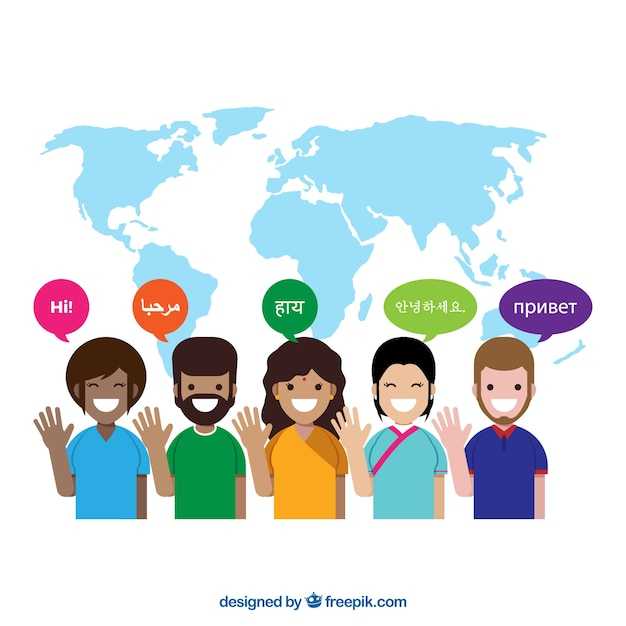
Starting with a structured language plan reduces risk and boosts conversion in overseas selling. Identify your top markets, languages, and cultural touchpoints, then align products pages, pricing, and support channels. Build language-related guidelines to keep meetings smooth and relaxed for customers. below are concrete steps youre ready to implement this quarter.
Create a glossary of core terms in each target language and maintain consistent language across site, emails, and manuals. Establish a language-related workflow with a bilingual reviewer who approves product descriptions and FAQs within 24 hours. Train frontline teams to answer preguntas promptly and to adapt tone for formal negotiations while keeping interactions easy.
Offer local support channels: chat, email, and phone in the client’s language, with clear SLAs. For meetings, attach a brief agenda and a one-page cheat sheet that covers preguntas; whenever you schedule, show time zone differences clearly. This approach keeps the workflow well organized and allows teams to work efficiently. Track response time across channels to ensure consistent service.
Respect traditions and local business etiquette. Train sales and support teams to adapt to local formalities without sounding robotic. Master cross-cultural cues through role-play, real-case feedback, and short debriefs after client interactions.
Starting with a two-market pilot lets you measure impact before scaling. Define owner, set a three-month plan, and review progress weekly with local partners. Use concrete metrics: language-related error rate, customer satisfaction, and time-to-resolution. Then extend to additional markets with documented milestones.
Overseas Selling in Malta: Practical Language and Culture Strategies for Global Entrepreneurs
Localization today begins with translating your website into Maltese and English, pricing in EUR, and delivering clear contact options for Malta-based customers. Hire local managers to respond to questions within 24 hours and align product descriptions with local needs, boosting customer trust and demonstrating highly helpful service from the first interaction.
In Malta, English is widely used, but Maltese phrases show respect and help in closing deals. Use clear, simple language on product pages and customer service. In meetings, maintain eye contact, offer a firm handshake, and use appropriate pauses; non-verbal space often communicates more than words. When presenting, contrast direct benefits with local advantages to connect with the Maltese nation and its business reality.
Build a process that welcomes questions and feedback. Offer a bilingual chat, email, and phone support; provide real-life case studies from Maltese customers. Content that is highly helpful includes local success metrics and open Q&A sections. Use questions to tailor offers: what are the customer’s priorities, delivery constraints, and seasonal peaks. This approach helps you navigate local buying dynamics and fosters respect with local customers and partners.
On the website, separate Maltese and English copy, ensure EUR pricing and delivery times are clear, and provide a concise things-to-know section. Include some notes on duties for EU shipments and a clear return policy. Highlight Malta’s advantages for international commerce, such as fast European delivery and a robust logistics network. Use visuals to build trust; videos in Maltese or with subtitled real-life stories from local customers can be highly helpful. The design should be open, efficient, and space-saving where possible, and load quickly to keep customer satisfaction high.
Marketing messages should reflect contrast between global innovation and local realities. Show respect for Maltese business etiquette: address managers by surname and title in initial contacts, avoid aggressive selling language, and respect meeting schedules. Use non-verbal cues to reinforce sincerity; ensure your team understands some local norms, like hospitality during meetings and the value placed on building closer business relationships. Keep the tone open and collaborative; this reduces difficult conversations and improves loyalty among local customers and partners.
Operationally, set up a local support channel with bilingual customer service, track response times in hours, and monitor customer satisfaction through post-interaction surveys. Define quality indicators for product pages, such as accurate specifications and clear sizing details. Use real-life data to illustrate benefits and avoid ambiguity. Leverage innovation to differentiate your offer while maintaining transparency in pricing. This approach improves the customer experience for doing business with Malta today and helps you reach local customers efficiently.
Identify Primary Languages of Maltese Clients and Partners
Provide bilingual engagement in Maltese and English from the first contact and localize core materials on your website to match Maltese client expectations.
In Malta, two languages shape everyday business. Maltese is the national language used in community interactions, while English dominates formal communication, contracts, and official documentation. Italian remains common in tourism, hospitality, and media circles. This mix makes it clear that a dual-language approach is not optional; it directly supports negotiations, strengthens trust, and supports revenue growth.
: Maltese and English are the default pair for most outreach. Italian is valuable in sectors with high tourist or cross-border traffic. For specialized industries (shipping, gaming, real estate), consider quick Italian or French references where relevant. : Standard Maltese remains universally understood; regional dialects exist, but practical materials should use standard Maltese for clarity. In English communications, adapt tone to formality levels typical of Maltese business culture to avoid misinterpretation. : Website content, brochures, and customer-service scripts should exist in both Maltese and English. Provide interpretation options for high-stakes discussions, and offer bilingual summaries of proposals to reduce back-and-forth. : Build a bilingual glossary, a bilingual FAQ, and a brand-aligned translation memory. Use localization tools to keep terminology consistent across information, negotiations, and contracts. : Localized landing pages improve trust, lower bounce, and make inquiries feel personal. A language-aware website makes customers more engaged and makes conversion smoother into a sale. : Train staff on Maltese-English nuances, common Malta-specific attitudes, and preferred negotiation approaches. Regular learning sessions keep interpretations accurate and aligned with customer expectations.
Practical steps to implement now:
- Map audience segments by language preference across industries to guide content creation.
- Create a bilingual glossary covering products, services, and common terms used in negotiations.
- Localize your website with a Maltese-English toggle, ensuring key pages–pricing, support, and terms–are available in both languages.
- Provide professional interpretation options for critical meetings with Maltese partners, especially when strategic decisions are on the line.
- Equip customer-facing teams with cultural cues and language guidelines that reflect Maltese values and business etiquette.
- Track engagement and revenue impact by language choice to validate the approach and adjust quickly.
Expected outcomes are evident: smoother negotiations, stronger trust with local customers, and greater consistency in brand messaging across cultures. A well-structured language plan makes your global outreach more credible and capable of scaling into international markets while staying rooted in Malta’s unique business environment.
Design Multilingual Sales Collateral for Malta's Market and EU Context
Use a modular, bilingual core for Malta's market: Maltese and English as the default, with Italian or German as EU extensions. For Malta's small businesses, clear bilingual communication builds credibility with local customers and overseas buyers alike; thats the baseline for outreach.
Structure language-ready modules: core messages in Maltese-English, with a translation layer for Italian and German, and optional French blocks for EU partners. This hands-on model keeps content practical and easy to adapt for EU context. Place the main value proposition above the fold, but keep supplemental details below for skimming readers; ensure the tone respects attitudes across cultures; this approach helps teams speak with confidence quite easily together.
Visuals support communication; use pictures that reflect Malta's business environment and EU partners; captions bilingual; alt texts aligned with language preferences; ensure imagery respects cultures and attitudes; this visual layer strengthens credibility and helps audiences understand quickly.
Organisational alignment ensures a single, clear voice across Malta and EU channels; publish a clear style guide in Maltese-English with EU extension blocks; maintain a repository of templates, icons, and pictures for quick reuse.
Practical rollout plan: assemble a bilingual content team; build asset library; run a 2-week Malta pilot with 10 partners; collect feedback on readability, tone, and cultural fit; refine translations; then extend to EU distributors in 6 weeks.
Choose Communication Channels Commonly Used by Maltese and EU Audiences
Begin with a two-tier channel mix: a highly responsive website with online chat and clear contact paths, plus a direct call line or email for personal handling.
A nation-focused, hands-on approach works best in Malta: users favor quick updates via WhatsApp and Facebook Messenger; provide Maltese-English content and interpretation for common topics to meet needs.
Across EU audiences, lean on professional channels: email, LinkedIn, and video calls for negotiation and formal discussions; align website content so it guides users to the best channel for their objectives.
Accessibility matters: offer live interpretation or captions for key online events, including sign-language options where relevant; this makes services understandable for diverse cultures.
Organisational readiness rests on a cross-cultural team that responds with the right tone; set clear service levels and publish consistent messaging across channels to keep the level of understanding high.
Implementation steps: map channels by nation and EU regions; run a Maltese-English pilot; monitor response times and resolution quality; expand the channel mix based on data; maintain robust language support for speakers and sign language where needed.
Outcome: understand needs faster, build stronger ties, and position your team for the best chance to succeed.
Navigate Cross-Cultural Negotiations with Maltese Partners and Clients
Start with a clear, written set of expectations that outlines preferred communication channels, response times, and decision authorities. Thats how Maltese partners set relationships and keep messages aligned so conversations flow smoothly.
Respect their time and use a relaxed but professional tone. Ask open questions, listen actively, and summarize agreements in a short follow-up note. This approach keeps messages precise and helps teams work toward success. In Maltese contexts, managers and their teams benefit from engaging discussions that show what is possible, then move to concrete next steps via a call or online chat. Maltese clients often appreciate a personal touch. These steps yield better outcomes.
Use bilingual communication when needed; Maltese and English are common in business, but avoid jargon. Keep sentences short, with a single idea per paragraph, and confirm understanding with a quick reply. If they asked for details, respond with a short bullet list. Share proposals with them in simple terms. This practice promotes closer relationships while reducing misinterpretations across messages and meetings.
Invest in programmes that train cross-cultural etiquette, negotiation structure, and conflict resolution. Short modules delivered online consistently align services and messaging across teams, that promote a united front to Maltese clients and partners. Rehearse key messages before calls to ensure every message is clear and confident.
During negotiations, taking notes, asking for decisions, and confirming next steps at the end of each call. This habit improves communication, keeps the team on track, and increases the odds of success with a Maltese client base. Use a short recap email that lists decisions, owners, and due dates to keep everyone closer and on the same page.
| Practice | Role with Maltese Partners | Tips |
|---|---|---|
| Clear messages | Prevents misinterpretation | Summarize decisions in bullets |
| Regular call cadence | Maintains trust | Schedule 20–30 minute sessions weekly |
| Opciones de idioma | Ensures understanding | Provide English and Maltese versions |
| Follow-up summaries | Documents decisions | Distribute within 1 business day |
Draft Language-Sensitive Contracts and Support Materials to Minimize Misunderstandings
Draft clear, bilingual contracts that spell out key terms and decision rights in plain language, and attach localized support materials. For contracts like these, this creates a solid foundation and acts as a bridge between local teams and managers, enabling open discussion and faster alignment in negotiation.
Establecer un glosario that defines the significados of terms used across contracts. Place it below the main clauses and include real-life examples showing how cultural differences shift interpretation, helping teams avoid breaking language barriers.
Structure for negotiation: designate the speak language version, state preferencias for the translation, and require any amendments to be documented and signed.
Provide práctico templates for notices, change orders, and risk allocation; add checklists for translators to ensure faithful transfer of significados and intent.
Set up language governance with managers responsible for overseeing translations, and launch a short training plan; ensure presence of bilingual support and a process for raising ambiguities.
Make materials comfortable para usar mediante la inclusión de elementos visuales, términos codificados por colores y resúmenes concisos; permitir small equipos para revisar y confirmar preferencias.
Medir el impacto con métricas concretas: apuntar a una reducción del 30–40% en correos electrónicos de aclaración en seis meses, acortar el tiempo para finalizar las enmiendas estándar y reducir significant malentendidos a través de la mayoría entrepreneurial segments. Estos cambios producen una certeza enormemente mejorada y más exitoso negociaciones.


