
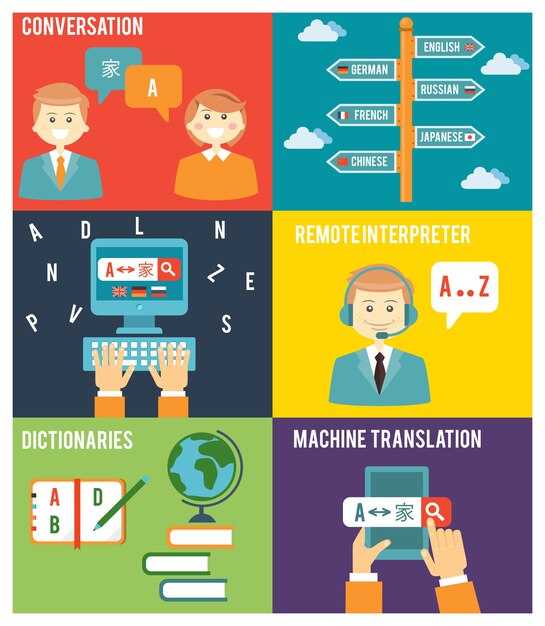
Recommandation: Begin with establishing a language-aware presence across core platforms and translating core messages for distinct locale audiences. In this first instance, map language groups, cultural expectations, and device preferences, and set guardrails to mitigate risks such as misinterpretation or cultural missteps. A clearly defined approach reduces friction and drives confidence across teams and partners.
incorporating user-generated content can extend reach and authenticity on each platform, but it requires clear guidelines, moderation, and attribution to protect brand safety and legal compliance. look for patterns in community conversations, verify sources, and establish a process to curate and respond at scale.
Develop inclusive, locally resonant formats: short videos, stories, polls, and text posts that reflect language nuances. deep customer understanding helps tailor tone and visuals–use local idioms, imagery, and examples to boost relevance within the marketplace dynamics.
Events and campaigns should be sequenced to maintain momentum; integrate cross-platform experiences to drive engagement. Use localization to optimize experiences through localized visuals, translating content with context, and ensuring a consistent presence across channels.
Establish governance and risk management: define escalation paths, review cycles for user-generated content, and implement privacy-conscious data practices by region. Look at performance indicators and adjust resource allocation to sustain coverage depth while staying cost-efficient.
Measure success with language-aware benchmarks: engagement rate by language, completion rate of localized CTAs, sentiment by region, and conversion at the marketplace level. Use A/B tests across platforms and language variants to refine the approach and deepen understanding. This model can be deployed in every instance to help teams look across markets with clarity.
Practical, step-by-step framework for multilingual social media
Begin with a concrete 90-day localization plan: pick three languages, three key markets, and three content pillars. Gather baseline metrics by language and channel, and set targets for reach, shares, and inquiries. Use simple, authentic text; where possible create original captions to reduce misunderstandings and capture local nuance, including cultural references and local trends.
Set a lightweight governance model: assign a language owner, establish review cadences, and codify norms for translation, tone, imagery, and consent. Maintain a shared glossary and a toolkit that includes templates, checklists, and style rules. Tools like translation memory, glossaries, and QA checks should support consistency.
Outline a content creation process: develop templated posts and captions in each language, plus a cross-language text pack. For efficiency, reuse assets and allow local edits to reflect audience preferences, including cultural cues. Visuals should align with local norms.
Engagement playbook: set clear times to respond, guidelines to escalate issues, and a plan to invite local speakers or micro-influencers to co-create. This fosters authentic conversations and opportunities, including user-generated content that reflects each market’s voice. Use communities to gather feedback and surface misunderstandings early.
Measurement and optimization: track multiple metrics by language and region (reach, engagement rate, clicks, conversions, sentiment). Gather data weekly, review with regional teams, and adjust content and posting routines accordingly. Use dashboards and weekly rituals to monitor norms and identify gaps; conduct quarterly audits to maintain quality.
Operational tips: identify quick wins by repurposing evergreen posts with translation; schedule posts to match local peak times; monitor comments in local languages and respond in kind to reinforce trust.
Define target languages, markets, and locale-specific tone per channel
Recommendation: start with multiple core markets and two primary languages, then scale based on performance. Build locale profiles that capture customs, topics, and audience sentiment. Use a lightweight matrix to connect language, channel, and tone; explore today before expanding.
- Choose core markets and languages
- Markets: United States (en), Mexico (es), France (fr)
- Languages: English, Spanish, French
- Establish time zones, local holidays, and cultural nuances to guide topics and posting cadence
- Map channel-specific tone
- Instagram and TikTok: concise, emotive captions; light humor; emojis calibrated to local preferences; colors aligned with each market’s mood
- LinkedIn: data-driven, formal, value-first copy; share insights and benchmarks; keep sentences short and purposeful
- YouTube: informative, explanatory voice; accommodate longer captions and chapter markers; visuals reflect regional aesthetics
- Define topics and alignment
- Topics should span pillars that matter in those markets; those topics must reflect local interests and ongoing conversations
- Create a quarterly topics calendar tied to customs, events, and seasonal trends
- Establish a tone and visuals framework
- Colors: assign a primary palette per market, with accessible contrast; validate color meaning across cultures
- Imagery and symbols: ensure representation is diverse and respectful of local norms
- Voice consistency: balance being authentic with respect for regional communication styles
- Moderation and feedback loop
- Comments: set guidelines for responsiveness and escalation; tailor response language to each market
- Community care: monitor sentiment, adjust wording to avoid misinterpretation, and join conversations when appropriate
- Measurement and refinement
- Before rollout, run native-language checks and small tests; verify tone resonates and avoids cultural misreads
- Performance metrics by language and market: engagement rate, comment quality, shares, watch time, and conversion signals
- Factors to refine: tone granularity per channel, localization of jokes or references, and regional call-to-action phrasing
Today, structure those definitions to join those channels with clear localization rules and an ongoing feedback loop, allowing deeper engagement with diverse audiences. imagine making deeper connections through contextual messages that reflect creation across multiple markets, and share learnings so teams can adapt quickly.
Audit existing content and identify localization gaps by locale
Recommendation: perform a locale-by-locale inventory of all assets–posts, captions, alt text, metadata, landing pages, FAQs, and ad creative–and define a localization matrix. Then set a 4-week trial to close gaps in key markets and validate the approach.
Define a base content set that covers core channels and product information; personalize content for each locale with language-appropriate imagery. Use a simple workflow: extract, translate, adjust visuals, and have human reviews in-market. This gives companies a predictable setting, defines resources, budget alignment, and a clear path to optimization.
To understand impact, analyze performance by locale: impressions, engagement, saves, shares, and click-through rate. They reveal where more resources are needed and where personalized content boosts connections. Leveraging in-market feedback, you can optimize captions, headlines, and image choices across languages and speak more directly to local audiences. For those looking to scale into new markets, this approach helps go from theory to measurable results.
boasting a centralized reference, this process enables cross-team collaboration and consistent quality across languages, channels, and campaigns.
| Locale | Current Coverage | Gaps Identified | Actions recommandées | Priority | Estimated Time |
|---|---|---|---|---|---|
| en-US | 95% | Minor alt text updates; CTAs align with US market voice | Refresh voice, verify top CTAs | Low | 1 week |
| es-ES | 60% | Product descriptions, FAQs, support docs; cultural adaptation | Translate, localize tone, adapt imagery | High | 2–3 weeks |
| fr-FR | 70% | Legal disclaimers; tech terms; UI microcopy | Glossary development, in-market QA | Medium | 2 weeks |
| de-DE | 65% | Time formats, currency, ad captions | Locale-specific formatting; review assets | Medium | 2 weeks |
| zh-CN | 40% | Long-form content; typography; brand voice alignment | In-market QA; simplified terms; typography adjustments | High | 3–4 weeks |
Next steps: assign owners, set milestones, and plan refresh cycles to maintain momentum across markets while staying within budget. This approach scales with current resources and time commitments and supports ongoing analyzing to drive growth.
Develop locale-focused personas and messaging frameworks
Begin with three locale-focused personas per market, each paired with a concise messaging framework and channel map. Consider signals from purchase intent, average cart size, and dwell time, plus qualitative cues like local humor and etiquette. Use these data sources: surveys, in-app events, customer-service notes, and online reviews from the population you target. For example, in a market with a 4.2M population and mobile-first access, 62% browse on mobile and 41% respond to casual tones. Build a living profile for each persona: demographics, shopping triggers, friction points, and preferred content formats. Leverage a localized plugin to attach language- and region-specific variants, store assets in a shared resource hub, and test initial messages on linkedin to gauge business audiences.
Establish a messaging framework for each locale: core value, proof points, and a local reference example. Use a localization-first template: 1) casual tone; 2) cultural cues and local references; 3) concise calls to action tailored to the buying cycle. Build pillars such as trust and ease, local relevance, and community voices. When the product category is clothing, show outfits in real-world contexts and include size guides in the local language. Translating the original assets requires adaptation, not direct word-for-word conversion, and you must flag terms that could be offensive. Demonstrate consistency across assets by a single localization lead, and provide a review workflow with native reviewers. Leverage a shared resource library and a content calendar aligned with regional events. Employ a plugin to streamline translation and localization checks, then test messages in controlled cohorts on linkedin before wider rollout.
Foster wider conversation by enabling localized content to seed dialogue in the native language. Identify the best platforms per locale: linkedin pages for business audiences, local forums, and targeted messaging apps. Going beyond posts, craft a conversation-guided mix: user-generated stories, short clips, and original posts reflecting regional everyday contexts–such as a capsule outfit for a local event. For clothing ranges, provide local size guidance and seasonal styling tips. Translating and adapting the messaging requires a local lens; flag terms that could be offensive and adjust tone accordingly. Leverage a plugin to surface trending topics, respond in the local language within 24 hours, and empower those community responders to keep the conversation going. Expanding the dialogue into resource pages, case studies, and FAQs helps wider reach, while monitoring sentiment and escalation paths. Track metrics like engagement rate, average reply time, and share of conversation across markets.
Establish a tight-cycle process for continuous improvement. Set a quarterly refresh: update personas with new signals, rotate content pillars, and reuse proven assets in new locales. Use a single source of truth for translations and brand terms; measure impact through lift in considered actions, increased session duration, and higher net-new conversations. Use a resource gate to avoid offensive terms and ensure consistency. The effort should feel natural to the customer and reflect local habits, not a borrowed template. Progress here accelerates market responsiveness and demonstrates how localization scales across a broader population, todays realities.
Plan a multilingual content calendar and streamlined approval workflow
Implement a centralized, six-week rolling content calendar that spans languages and regions, paired with a single approval workflow. Assign language owners, set clear SLAs, and lock the calendar to prevent last-minute changes that disrupt production.
Cadence: publish 3–5 posts per language per week across core platforms; respect platform norms and reach internet audiences; route content through the streamlined workflow before posting.
Content pillars: product education, storytelling, community voices, and seasonal campaigns; for clothing brands, include fit tips, fabric care, and style ideas; incorporate user-generated content.
Calendar fields: date, language, region, platform, format, caption, visuals, hashtags, translation status, owner, and approval status; include a simple color code for status.
Localization approach: incorporate local terminology and gender-inclusive language; use glossaries; avoid literal translations; when required, take time to understand local cultural cues and audience expectations.
Approval workflow: roles– content creator, regional editor, legal/compliance, brand management; steps– draft, translate, visual QA, final sign-off; SLAs: regional edits within 24 hours, full sign-off within 48 hours; teams must adhere to the working process to support consistency.
Templates and standards: copy blocks with placeholders; visual guidelines; accessibility checks (alt text, contrast); ensure authenticity and maintain brand voice; keep messaging thoughtful and powerfully direct, easier to read across languages.
Efficiency tactics: reuse evergreen assets; translate copy using professional review; convert copy into multiple language variants; pre-approve templates; incorporate A/B tests on wording; mere rewrites are reduced through systematic templates and optimization.
Measurement plan: define targets per language and platform; track engagement rate, follower growth, shares, saves, and click-through rate; provide data analysis and monthly insights, and adjust optimization; monitor progress to improve approach and support sales.
Open collaboration: share weekly performance briefs with regional teams; hold 30-minute stand-ups; incorporate feedback to improve engagement and authenticity; provide clear recommendations to keep followers growing.
Risk and inclusion: maintain norms that respect gender diversity; flag potential issues early; adjust calendars for holidays and cultural events; plan with sensitivity to local communities to ensure authenticity across markets.
Once the plan is in motion, monitor performance, iterate based on insights, and push for higher engagement and sales; a thoughtful, open approach yields the power to grow followers while maintaining authenticity and brand integrity.
Set per-market KPIs and establish reporting dashboards and cadence
Set market-specific KPI targets aligned to each market's potential and user base, and build localized dashboards that reflect progress against defining benchmarks.
Identify 5–7 core metrics per market: reach and impressions, engagement rate, click-through rate (CTR), video completion rate, conversions or signups, cost per result, and share of voice. Establish target ranges mindful of market size and competitive intensity, for example CTR 0.8–1.5%, engagement 2–5%, video completion 25–45%, and conversion rate 1–3%. Consider seasonality, time-of-day effects, and audience groups to ensure the metrics are representative and actionable through local channels.
Choose platforms for data integration and design dashboards that pull from ads platforms, web analytics, CRM, and offline sales. Use a hybrid data model that harmonizes signals from Facebook, Instagram, TikTok, LinkedIn, and regional channels, then updated datasets weekly so dashboards stay current and reflective of local events and campaigns.
Establish a cadence that fits product and marketing cycles: a weekly executive snapshot, a bi-weekly tactical review, and a monthly deep-dive with a narrative that reflects how local beliefs and consumer behavior shift. Ensure updated dashboards are shared with brand teams, regional leaders, and campaign managers to foster connection and accountability, helping teams become better aligned across groups. Each market should have a clearly defined data owner to enforce ownership and ensure the cadence is followed.
Structure dashboards to highlight localization while preserving identity: color palettes and visuals aligned with each market's cultural preferences, with clear flags for underperforming campaigns and high-potential audiences. Use colors to differentiate markets, groups, and products, and keep the layout simple so stakeholders can reflect quickly on data rather than wading through noise. here, adopting thoughtful, reflective visuals improves resonance with audiences and supports better decision-making.
Actionable practices: define ownership, assign reporting cadences, and include a concise executive summary that showcases wins, lessons, and next steps. For offensive growth campaigns, highlight top-performing assets and adapt creative quickly; here is a compact, repeatable blueprint to implement: showcase proven assets, harnessing insights to optimize budgets, campaigns, and messages. Ensure the process helps teams across functions–marketing, product, sales–work together, and reflect the values and beliefs of each market, strengthening connection and driving business results.


