
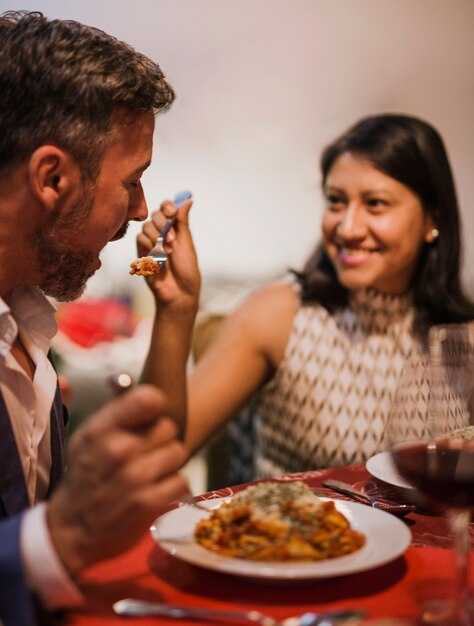
Plan a candlelit dinner on February 14 and pair it with a regional dessert tasting to savor local flavors. This approach keeps the focus on shared memories rather than gifts alone, just as meaningful for couples, and it works for younger couples and longtime partners. Usually communities in major cities embrace this ritual, while smaller towns open their doors to friends and families who want to celebrate affection together.
In mexican locales, market stalls showcase bouquets and boxes of chocolates, and the percentage of couples reserving dinners in advance is frequently high. sometimes, in puerto Rico and neighboring spots, many couples add a dessert tasting or street music after meals, highlighting appreciation for community spaces where love is shared with friends as well as partners.
questions about how to celebrate surface for younger dating pairs and groups of friends alike. The style has been influenced by Catholic feast days, local fairs, and a growing emphasis on friendship across the region, where couples embrace love with thoughtful gifts rather than grand gestures. open conversations about budgets help keep expectations fair and their small moments.
For younger couples, dating routines mix in-person meetups with thoughtful messages; a practical guide suggests choosing a date that fits where both are, reserving a table in advance, and including a regional dish such as mole or arroz con pescado to show you understand their tastes. The aim is to create a simple, memorable moment that loved ones will remember.
Keep the emphasis on connection over extravagance: consider how their routines differ where you live and use that as a guide to plan experiences that fit your budget and interests. This approach usually yields great memories and strengthens appreciation for regional flavors and shared meals.
Chocolate Traditions and Gifting Across Latin America
Best move: gift a box of artisanal chocolates with a handwritten note, mind the recipient's tastes for someone special and ensuring this gesture resonates with everyone involved.
Gifting patterns here vary widely by country and context. Chocolates are made to share, with storytelling around the origin. Postcards often accompany the package to extend the moment and embrace amistad. The practice is influenced by cacao quality, packaging, and the story behind each source; these elements are associated with regional identity and quality, shaping experiences across households.
- Mexico: Hot chocolate mixes and artisanal bars are common gifts; a quick note and a postcard accompany the box. This approach is affordable and likely to be welcomed after a visit or during casual get-togethers with someone special.
- Colombia: Regional cacao bars paired with coffee or fruit; experiences around gifting include small tastings; gifts are exchanged within friend circles; the box is travel-ready; occasionally secretly the giver tastes flavors before presenting the gift.
- Peru: Criollo cacao bars drive premium sets; curated selections with origin notes front the story behind the beans; a card highlights the источник, and the recipient appreciates the authenticity.
- Argentina: Alfajores and chocolate-covered treats anchor baskets and bouquets; packaging emphasizes warmth and regional flavor; the donor often adds a personal line to bridge distance and amistad.
- Chile: Local farming brings artisan bars with clean design; gifting emphasizes sustainability and transparent sourcing; these gifts are part of a broader experience that includes coffee or tea pairing.
- Guatemala: Cacao from small farms paired with coffee is common; gift sets stress community and mutual support and are shared among amigos and amistades, with the idea of solidaridad.
- Costa Rica: Single-origin bars and organic cacao products are popular; gifts arrive in affordable formats and use rainforest-inspired art that signals origin and care.
february is a common month for gatherings and small exchanges, so a simple box plus postcards often wins over grand gestures in impact per dollar. The approach is likely to appeal to singles and couples alike, and it offers a straightforward way to start a habit of thoughtful gifting.
источник: professional report on regional gifting practices, with a clear methodology. The findings show that experiences vary, and tastes are influenced by origin stories and affordability. Gifts are exchanged over meals and conversations, and are associated with amistad and social bonding. The report notes that most gifts are exchanged within groups, and that the best options combine taste with a personal note and a brief message. This isnt about luxury but about connection.
Country-by-country chocolate gifts: brigadeiros, alfajores, and more
Begin with a two-item duo: brigadeiros from Brazil and alfajores from the southern cone, then add a third chocolate from another country to complete a balanced trio.
Brazil: Brigadeiros carry iconic status in gatherings. Typical batches use condensed milk, cocoa, and butter, rolled in cocoa powder or sprinkles. For gifts, present in petite tins or clear boxes that preserve shine during transit; such packaging boosts appreciation and aligns with traditions. When dates approach, these sweets travel well to offices and homes alike.
Argentina and Chile: Alfajores sandwich dulce de leche between two cookies, with coatings ranging from sugar dust to chocolate bands. Known variants travel well, and smart cardboard boxes signal care; they are popular during holidays and at family reunions across countries. Such treats fit both casual exchanges and formal gifts, making them a reliable option for different tastes.
Mexico: A cacao-forward twist appears in boxes with artisanal bars from Oaxaca or Chiapas, plus a small assortment of alfajores. For a festive look, use a packaging motif with a mariachi touch; Mexicans appreciate thoughtful presentation. Send sets around valentín dates so couples and friends can share a sweet moment, and include a bilingual note that explains each piece’s origin.
Caribbean partners, including puerto Rico and the Dominican Republic, favor bars and cookies with creamy centers. Open packaging that reveals the glossy surface helps in an easy exchange during gatherings; these options suit office exchanges and family holidays. In puerto Rico, local flavors blend with cacao craftsmanship to tailor boxes for couples and groups, enhancing appreciation and romance among them.
Market insights: respondents across these countries show a committed preference for high-quality ingredients, neat presentation, and timely delivery. When customs are respected and shipments arrive open to inspection, hopes rise for successful exchanges that strengthen connections. Those who know these markets plan ahead, using safe carriers and appropriate packaging for different climates, ensuring gifts reach homes ready to celebrate holidays.
Tips to maximize impact: target a calendar that highlights dates, choose gender-neutral packaging, and coordinate with partners in chile and the republic to verify local standards. Open to feedback from recipients and adjust sweetness levels, flavors, and inscriptions to fit those tastes. By sending thoughtful assortments that reflect each center’s traditions, you create a shared romance that keeps people connected and motivated to celebrate together, year after year.
Where to buy authentic Latin American chocolate gifts online and in-store
Recommendation: Start with Pacari's Ecuador gift boxes from the official site for guaranteed authenticity; these are bean-to-bar, organic, and ship to western markets directly from Ecuador. Fact: in recent years Pacari earned multiple international awards, making this choice solid for sending as a present.
For more options, explore colombia-based brands and cooperatives that offer gift sets online or through authorized retailers. These items are associated with direct trade and clear origin labeling; which country the cacao comes from can be shown on the packaging, helping you know what you are sending without guesswork. These sources often provide language-friendly notes and straightforward return policies, suiting thoughtful gift planning.
In chile, search boutique shops and co-ops that stock single-origin bars and tasting boxes. These stores usually offer staff explanations about bean origin, farm relationships, and flavor profiles, which makes choosing a present easier. Beyond bars, you’ll find drinking chocolates and truffles that complement a gift box, giving variety for a small celebration or a longer exchange of treats.
Advice: if sending from abroad, request bilingual packaging and a short, hand-written note; confirm delivery windows in advance to avoid delays and ensure freshness. Know the fact that these options let you compare profiles and choose a package that fits the recipient’s tastes and language preferences.
| Source | Region | What to expect | Notes |
|---|---|---|---|
| Pacari Official Site | ecuador | gift boxes, bean-to-bar | ships to western markets; origin clearly stated |
| Casa Luker (Colombia) | colombia | classic bars, gift sets | authentic colombian cacao; check bilingual packaging |
| Regional Latin-American Online Retailers | various | multi-brand selections | compare prices and shipping times |
| Local Boutique Chocolatiers | country-specific | handmade, limited runs | best for in-store experience and customization |
Budget-friendly chocolate ideas that still feel special
Make a trio of pocket-friendly chocolate bites: simple bark, fruit skewers, and cocoa truffles. Here is a guide that fits a tight budget while delivering handmade feel for a date or group gathering.
Option 1: Simple chocolate bark with roasted nuts and citrus zest. Melt 8 oz dark chocolate and spread on parchment. Top with 1 cup mixed nuts and a teaspoon citrus zest. Once set, cut into about 24 squares. Roughly $3.50 total, only 15–20 cents per piece. This center item anchors the spread.
Option 2: Chocolate-dipped fruit skewers. Thread apple slices, strawberries, and orange segments on short skewers, dip in melted chocolate, and chill until set. Yields 16–20 pieces; cost roughly $4–$5 depending on fruit choices. This easy option adds color and a fresh note to the table and works as a simple grab-and-go bite for a date or group gathering.
Option 3: Cocoa truffles rolled in cocoa or coconut. Combine 1 cup crushed cookies with 2–3 tablespoons cocoa, add a little butter or cream, roll into 18–24 balls, and coat with cocoa or coconut flakes. Cost around $4, yielding a compact dozen- to two-dozen bites. Simple to prep ahead for best flavor. This makes a nice, shareable treat.
Presentation tips: set bites on a clean center platter, sprinkle with a dusting of cocoa powder, and wrap clever labels in parchment with string. A mariachi-inspired tag or simple regional motif adds a festive touch without breaking the budget. Use short words on the tag to keep it readable, and this back-of-the-house styling shows thought and makes the treats feel special in under 20 minutes.
These ideas align with latin cultures across the region, where mexicans and people from ecuador bring distinct customs and traditions to the table. A quick survey can gauge tastes among your group, whether guests prefer fruit, nuts, or creamy centers. rome's hospitality traditions remind us that simple, well-made bites carry warmth as effectively as grand displays.
Orientation: pick a date and share the plan on a platform; set a quick countdown of days to build anticipation. There is no need for elaborate equipment–taste and care do the heavy lifting. This works for married couples or any group, whether guests prefer darker chocolate or creamier centers, and it scales to centers of any size.
Eco-friendly and fair-trade chocolate options from the region
Choose a single-origin, fair-trade chocolate bar from an Ecuadorian cooperative; these chocolates will offer transparent origin data and fair wages for farmers.
Opt for bars with shade-grown cacao and recyclable packaging; look for certifications such as Fair Trade or Rainforest Alliance to ensure responsible sourcing. friends and those shopping for gifts will value products that are associato with a culturale enfasi su amistad and community, making them ideal for a date in february.
From the Andean highlands to Caribbean coasts, producers in these communities show that good-tasting chocolates can be affordable and ethically sourced. Most cooperatives operate as bands or associations of smallholders; their center is fair wages, sustainable shade farming, and transparent pricing. For younger buyers and ones seeking lighter options, many bars come as singles or mini-packs, offering flavors that honor amistad and regional cultural identities. These products travel to western markets over time around the world, proving that ethical sourcing can be a fact in daily purchases.
When shopping, prefer bars labeled single-origin from smallholders, with explicit origin notes and credible certifications. For most options, packaging uses recycled paper and minimal plastic; if a label mentions direct trade, youre likely buying closer to the farmer and keeping costs affordable for days of sweet pleasures. Theyre easy to share with friends and can become meaningful gifts for dates in february blooms.
Creative chocolate packaging and personalization for Valentine’s Day
american brands began to explore ethnicity-focused packaging while testing concepts in classrooms, while trials began to show that the right look makes gifts feel better for mexican audiences and across country holidays. These early efforts demonstrated that small, regionally themed shells plus inserts can dramatically boost perceived value, and these patterns vary by market, with chile and puerto visuals performing strongly in their own contexts. A three-shell system with region-specific inserts keeps production lean, and the cost delta remains acceptable for retailers pursuing more localized campaigns.
Personalization ideas for latin audiences include imprinting the recipient’s name on the lid, adding a short message, or including a photo inside; a QR code can link to a 15-second romantic message. For a third date scenario, pair the box with a few candies and a note that invites another outing, tapping into dating feelings and making the moment more memorable. Hearts imagery and a bilingual card help bridge backgrounds, and the option to tailor the inside wrap to puerto or mexican motifs lets friends and lovers feel seen when they share the gift, enhancing the whole experience with a lighter, more intimate touch.
Materials and production decisions matter: choose recyclable paperboard, soy inks, and tasteful foil accents to elevate the look without excess bulk. Small runs (2,000 units or fewer) typically add about 0.15–0.50 USD per piece for premium sleeves; larger programs can reduce this to 0.08–0.25 USD per unit through standardization and bulk printing. Lead times vary: 10–14 days for quick pilots, 3–4 weeks for full-scale launches. latin-inspired palettes and craft motifs should be coordinated with the regional themes to maintain coherence across country holidays.
In a study with 120 respondents spanning mexican, puerto, and chile markets, the data showed that packaging aligned with local holidays improved recall and positive feelings toward the gift. In classrooms and focus groups, these visuals were rated as more authentic and more likely to spark conversations among friends and dating partners; a well-timed design can nudge better engagement for american retailers aiming to expand across latin markets. These findings informed a practical guide that balances regional charm with scalable production, helping teams deliver meaningful packaging that resonates beyond a single date.
Guide to implementation: 1) map palette choices to each country’s holidays and craft traditions; 2) lock three base shells and four inserts that can be mixed; 3) offer name engraving or card personalization as optional add-ons; 4) pilot with a small group in classrooms and with a panel of friends to collect quick feedback; 5) refine visuals based on responses and scale in stores with clear signage; 6) track uplift in response rates and share learnings to improve future campaigns. When executed well, packaging that speaks to these factors makes gifts feel more genuine and boosts engagement across dating moments and romantic exchanges.


